primholm Logo Primholm Contact Us
Contact Us

Attic Insulation Retrofit Guide

DIY blown fibre insulation, ventilation tips, and practical solutions for your Meath home

4 Detailed Guides
25 Min Read Time
All Levels Beginner to Advanced

Featured Resources

Everything you need to know about attic insulation retrofits and ventilation

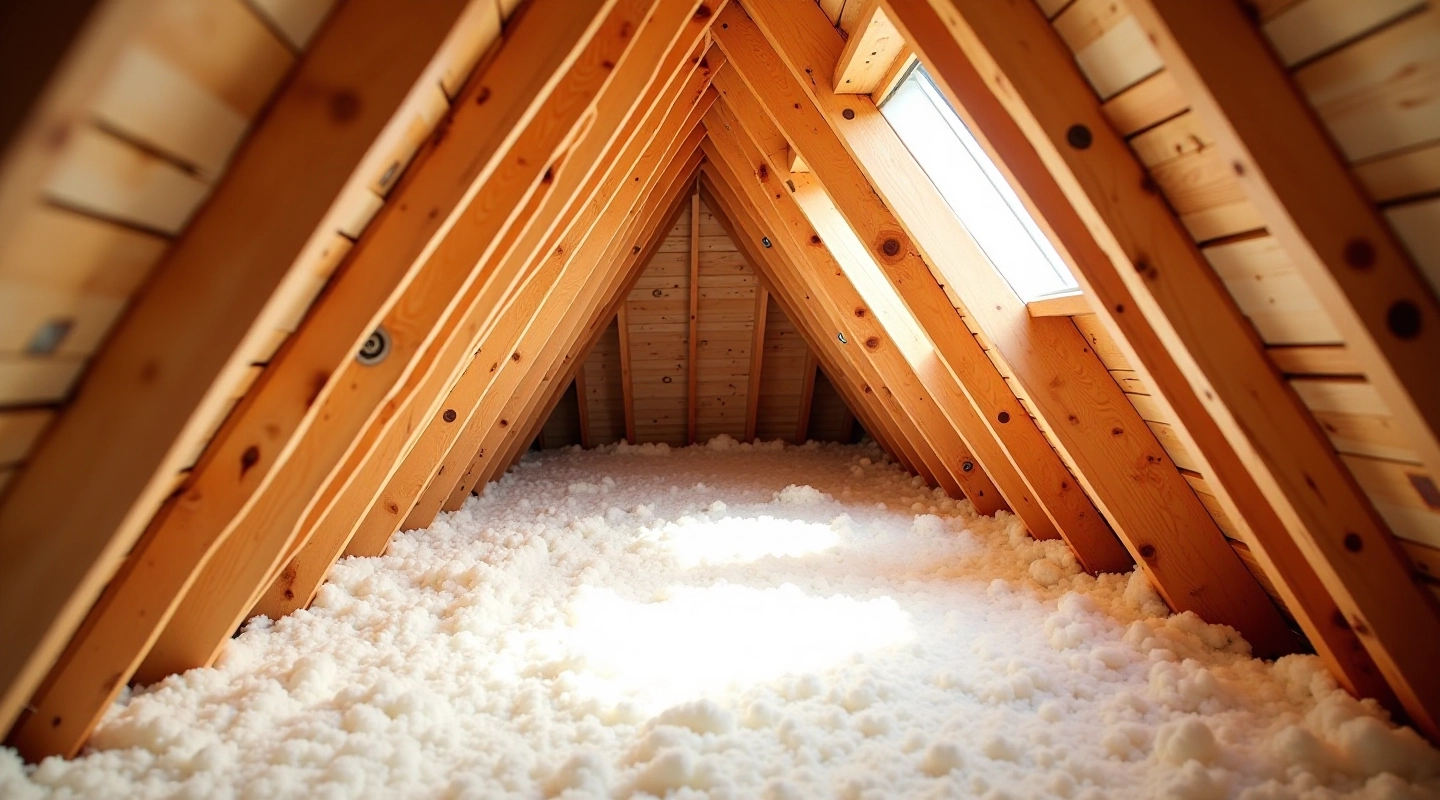
Attic space with wooden beams and insulation materials visible from inside the roof structure

Understanding Blown Fibre Insulation

Learn what blown fibre is, how it works, and why it's effective for attic retrofits in older homes.

7 min Beginner July 2026
Read More
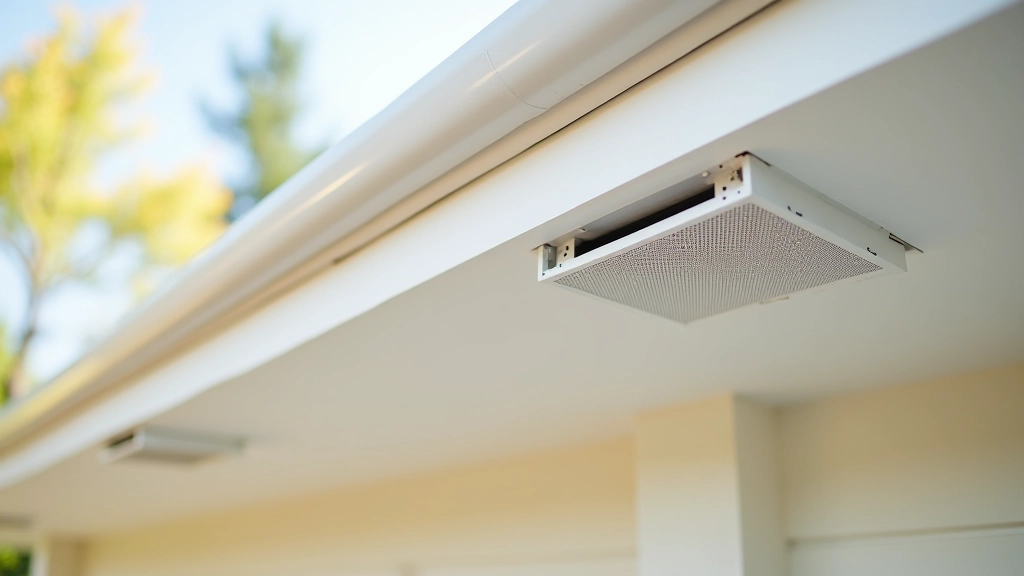
Close-up of attic ventilation soffit vents showing proper air circulation design

Ventilation Systems That Work

Proper ventilation prevents moisture damage. We cover soffit vents, ridge vents, and moisture barriers you can't ignore.

9 min Intermediate July 2026
Read More
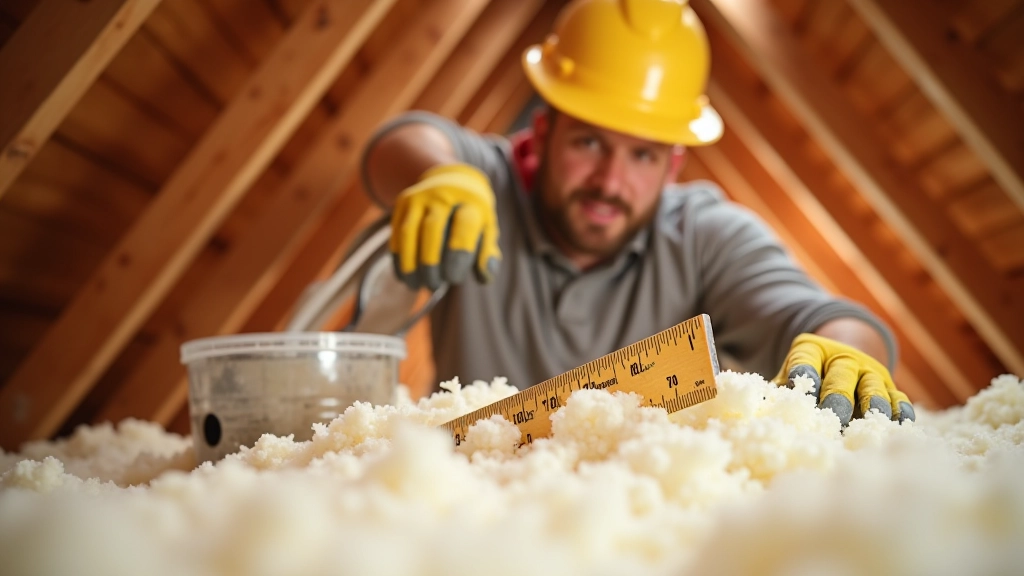
Homeowner checking existing attic insulation levels with measurement tool

DIY Retrofit Assessment Guide

Step-by-step instructions for evaluating your current insulation, spotting problem areas, and planning your retrofit project.

8 min Beginner July 2026
Read More
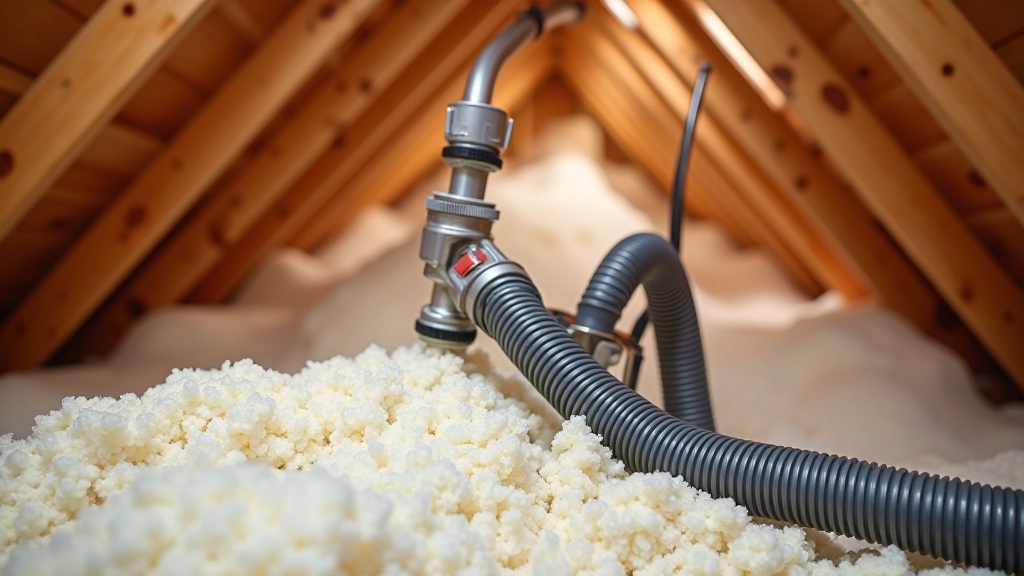
Blown insulation equipment setup showing hose and distribution nozzle in attic space

Installation Process and Common Mistakes

What happens during installation, equipment you'll need, and the biggest mistakes homeowners make that we can help you avoid.

10 min Intermediate July 2026
Read More

Common Questions

Quick answers to what homeowners ask most about attic insulation retrofits

How much does an attic retrofit actually cost?

Costs depend on attic size, current insulation condition, and ventilation work needed. We've found that homeowners in Meath typically spend between moderate and substantial amounts depending on scope. The investment usually pays back through energy savings within several years, though that varies by usage patterns and heating costs in your area.

Can I install blown fibre insulation myself?

You can, but it's trickier than it looks. You'll need to rent equipment, understand proper density and coverage, manage ventilation gaps correctly, and handle safety properly. Many homeowners find it's worth getting professional help, at least for assessment and planning. Our guides walk you through what's realistic for DIY versus when to call in experts.

What's the difference between blown fibre and batts?

Blown fibre fills gaps and irregular spaces better, which is why it's great for retrofits. It conforms to the shape of your attic, covers around obstructions, and doesn't leave air pockets like batts can. Batts work fine for new construction with regular spacing, but for older attics with quirky layouts, blown fibre typically performs better.

How do I know if my attic has moisture problems?

Look for staining on wood, visible mold growth, or that musty smell when you go up there. In winter, frost or condensation on the underside of roof decking is a sign. Poor ventilation is usually the culprit. Our assessment guide walks you through what to look for and how to fix ventilation issues before adding insulation.