
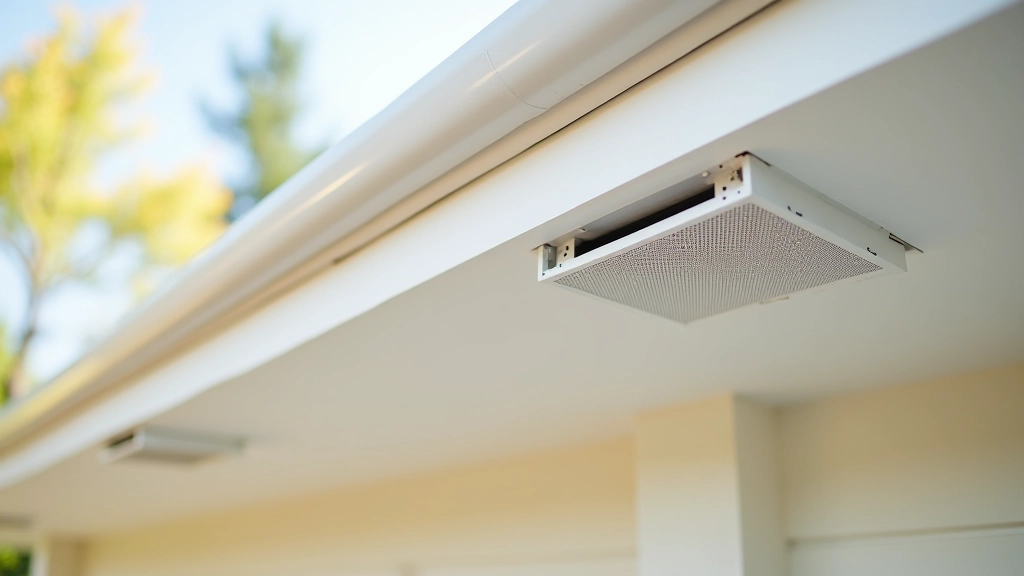
Ventilation Systems That Work
Proper ventilation prevents moisture damage. We cover soffit vents, ridge vents, and why your attic needs to breathe.
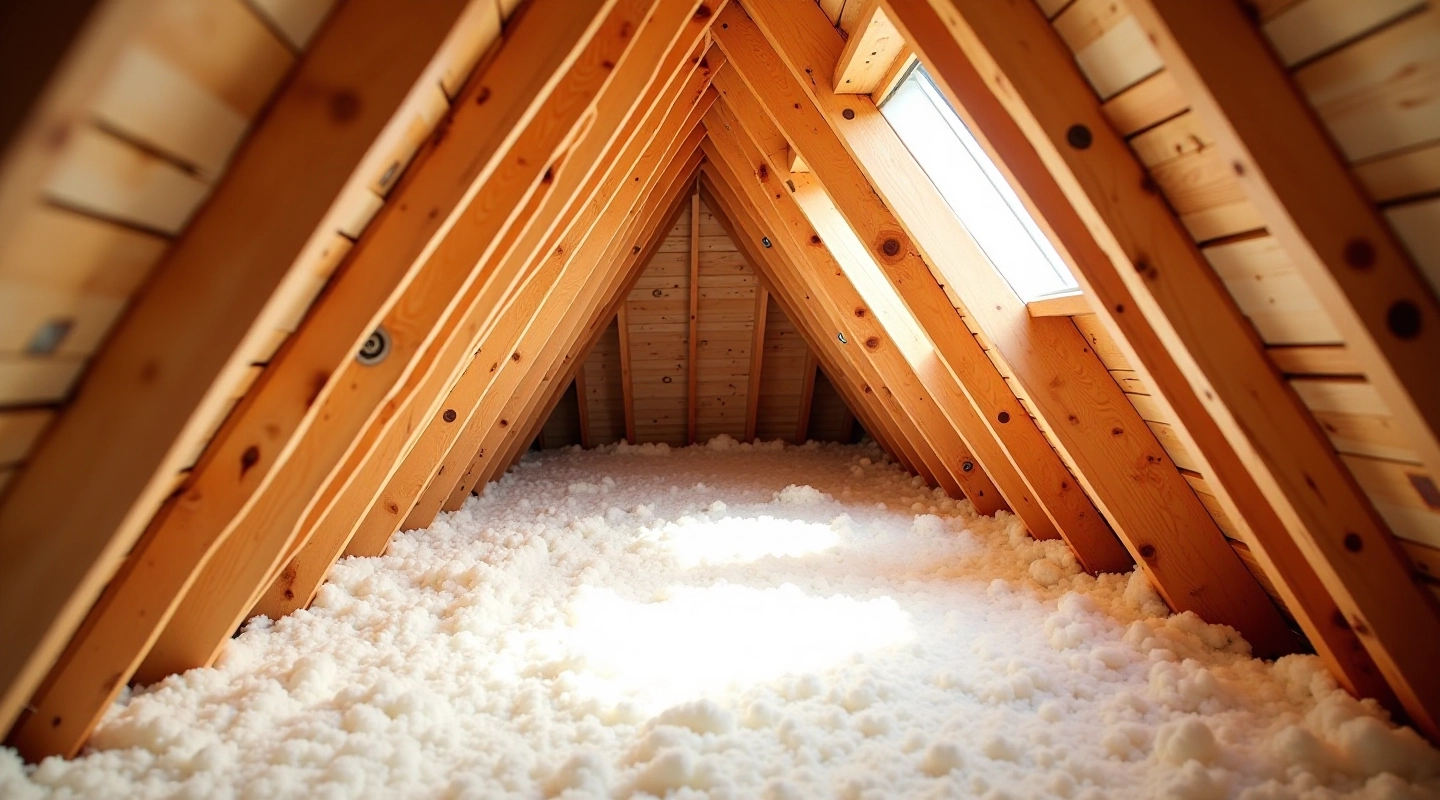
Learn what blown fibre is, how it works, and why it's effective for attic retrofits in older homes.
Blown fibre insulation isn't a new concept, but it's become the go-to solution for retrofitting older homes. We're talking about loose mineral or cellulose fibres that get blown into your attic using specialized equipment. It's quick, it fills every gap, and it actually works. The material settles into all those awkward spaces between rafters, around pipes, and under existing insulation that traditional batts simply can't reach.
The real advantage? You don't need perfect conditions. Whether your attic's got wiring everywhere, old plumbing runs, or an irregular joist layout, blown fibre adapts. It settles, compresses slightly, and creates a continuous thermal barrier. Most homes see noticeable improvements in comfort and energy bills within the first heating season.

The science is straightforward. Blown fibre works by creating tiny air pockets throughout the material. Those air pockets are terrible at conducting heat — that's exactly what you want. When warm air tries to escape through your attic in winter, it hits the fibre network and gets trapped. In summer, heat trying to come in gets blocked the same way.
What makes this different from rolled batts? Coverage. A rolled batt sits flat on your joists and typically covers maybe 60% of the attic floor due to gaps around obstructions. Blown fibre reaches 95%+ coverage because it fills around every obstacle. You'll have consistent insulation depth across your entire attic, which means no cold spots and no wasted material.
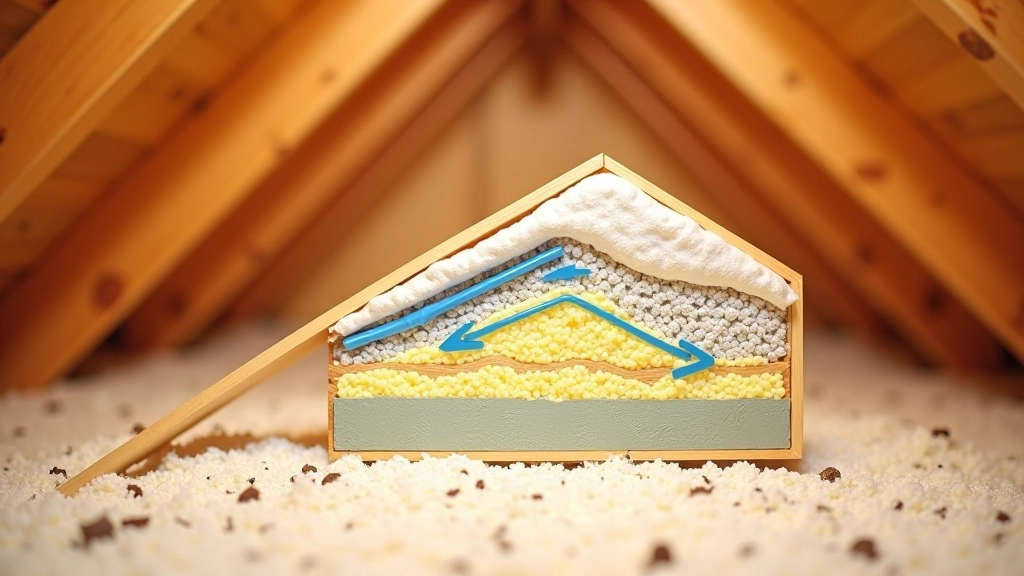
If you've got an older home, you're probably working with a less-than-ideal attic setup. Maybe there's no existing insulation. Maybe there's 2 inches of ancient material that's settled and lost all its R-value. Blown fibre doesn't care. It works on top of what's already there or replaces it entirely.
Important Note
This guide provides educational information about blown fibre insulation. Actual installation requires proper ventilation assessment, potential moisture management considerations, and may require professional evaluation depending on your home's condition. Always consult with qualified professionals before starting any attic retrofit project.
Wiring, plumbing, ductwork — it all becomes invisible to the installer. The equipment and material flow around everything, creating a seamless thermal layer without special modifications or cutouts.
A typical attic retrofit takes 4-8 hours. You're not measuring, cutting, fitting, and stapling individual batts. The truck-mounted blower does most of the work, which means lower labour costs and less disruption to your home.
You've got choices. Cellulose is recycled paper and cost-effective. Mineral wool is fire-resistant and doesn't settle as much. Pick what fits your budget, climate, and priorities.
Unlike batts that compress and lose effectiveness, blown fibre maintains its R-value over decades. You're looking at 20+ years of consistent thermal performance with minimal maintenance.
Not all blown fibre is the same. The two main options have different characteristics, and the right choice depends on your specific situation.
This is recycled newspaper that's been shredded and treated with fire retardant. It's the most cost-effective option and offers solid R-value — about 3.2-3.8 per inch depending on density. The downside? It can settle slightly over time, losing maybe 10-15% of its initial thickness over several years. In Irish climates with moisture concerns, you need to ensure proper ventilation. Cellulose absorbs and releases moisture, which is actually beneficial in some situations but problematic if your attic gets damp.
Made from rock or slag fibres, mineral wool doesn't settle as much and resists moisture better. It's more expensive than cellulose but offers R-value around 3.2-4.3 per inch. You're also getting better fire resistance and some sound dampening as a bonus. If you're retrofitting a damp-prone attic or concerned about settling, this is the safer choice.

Understanding what happens during installation helps you prepare and know what to expect. It's not complicated, but there are a few things worth understanding.
The installer checks your attic access, existing conditions, and ventilation setup. They'll identify any air leaks that need sealing first — blown fibre works best when you're not blowing heat-conditioned air out of your living spaces.
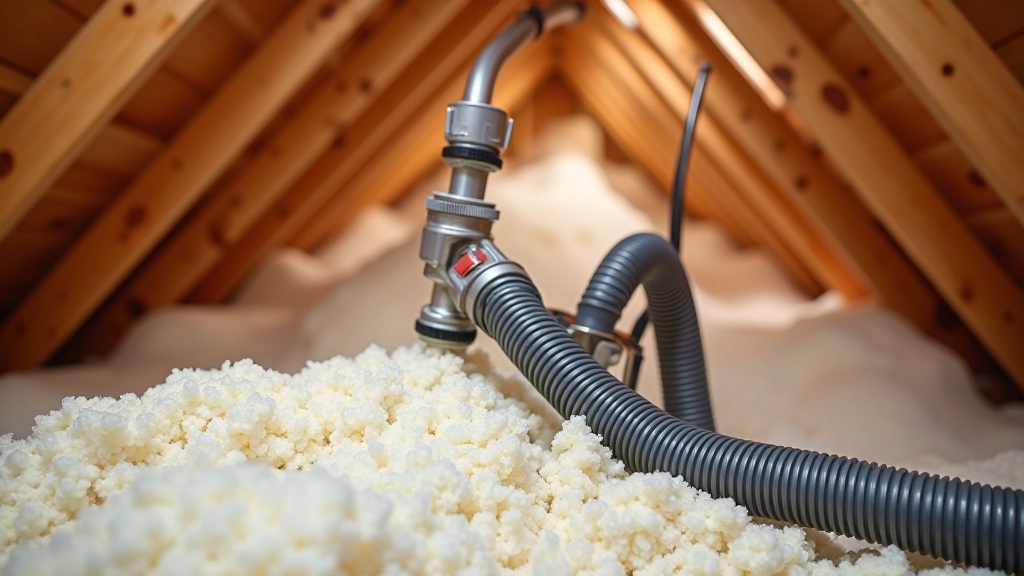
A hose runs from the truck-mounted blower unit into your attic. The installer positions it strategically to reach all areas. You'll hear the blower running — it's loud, but it's only temporary. Most jobs take between 4-8 hours depending on attic size.
The installer controls how much material goes into your attic by monitoring weight and density. A typical retrofit targets 10-12 inches of cellulose or 8-10 inches of mineral wool for R-40 coverage. The goal is uniform depth across the entire attic floor.
After the blower shuts down, the installer checks for proper depth using a probe or visual inspection. Any settling that happens occurs in the first week. You shouldn't notice major changes after that initial period.

Author
Editorial Team
Written by the primholm Editorial Team, focused on practical, accurate guidance for attic insulation retrofits and ventilation.
Expand your knowledge with these complementary guides on attic insulation and retrofit best practices.
Proper ventilation prevents moisture damage. We cover soffit vents, ridge vents, and why your attic needs to breathe.
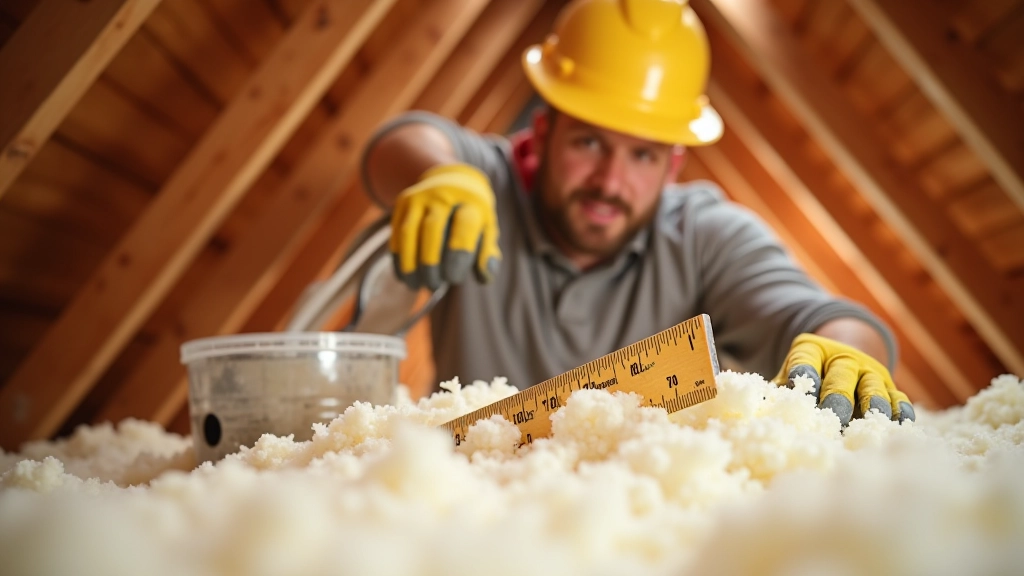
Step-by-step instructions for evaluating your current insulation, spotting problems, and planning your retrofit.
What happens during installation, equipment you'll encounter, and the biggest mistakes to avoid during your retrofit.
Blown fibre insulation isn't a complicated technology, but it's genuinely effective for older homes. It's one of the most practical ways to improve comfort and reduce energy waste in an attic that's seen decades of neglect.
Start with an honest assessment of your current situation. Check your attic, measure what you've got (if anything), and think about your biggest problem — is it heat loss in winter, heat gain in summer, or both? Then explore your material options and get quotes from a few installers. You'll know pretty quickly if blown fibre makes sense for your home.